المزيد مثل هذه
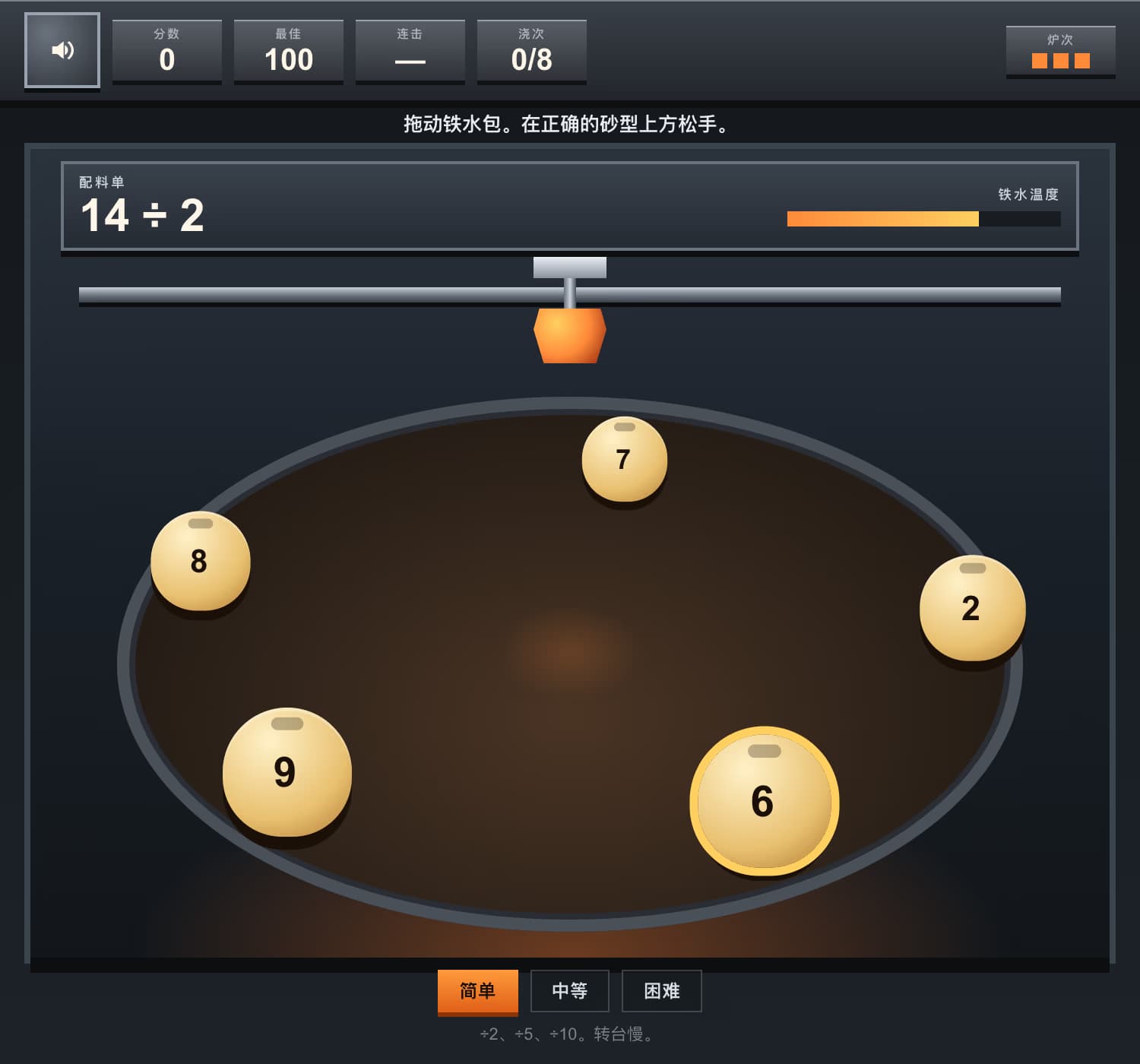
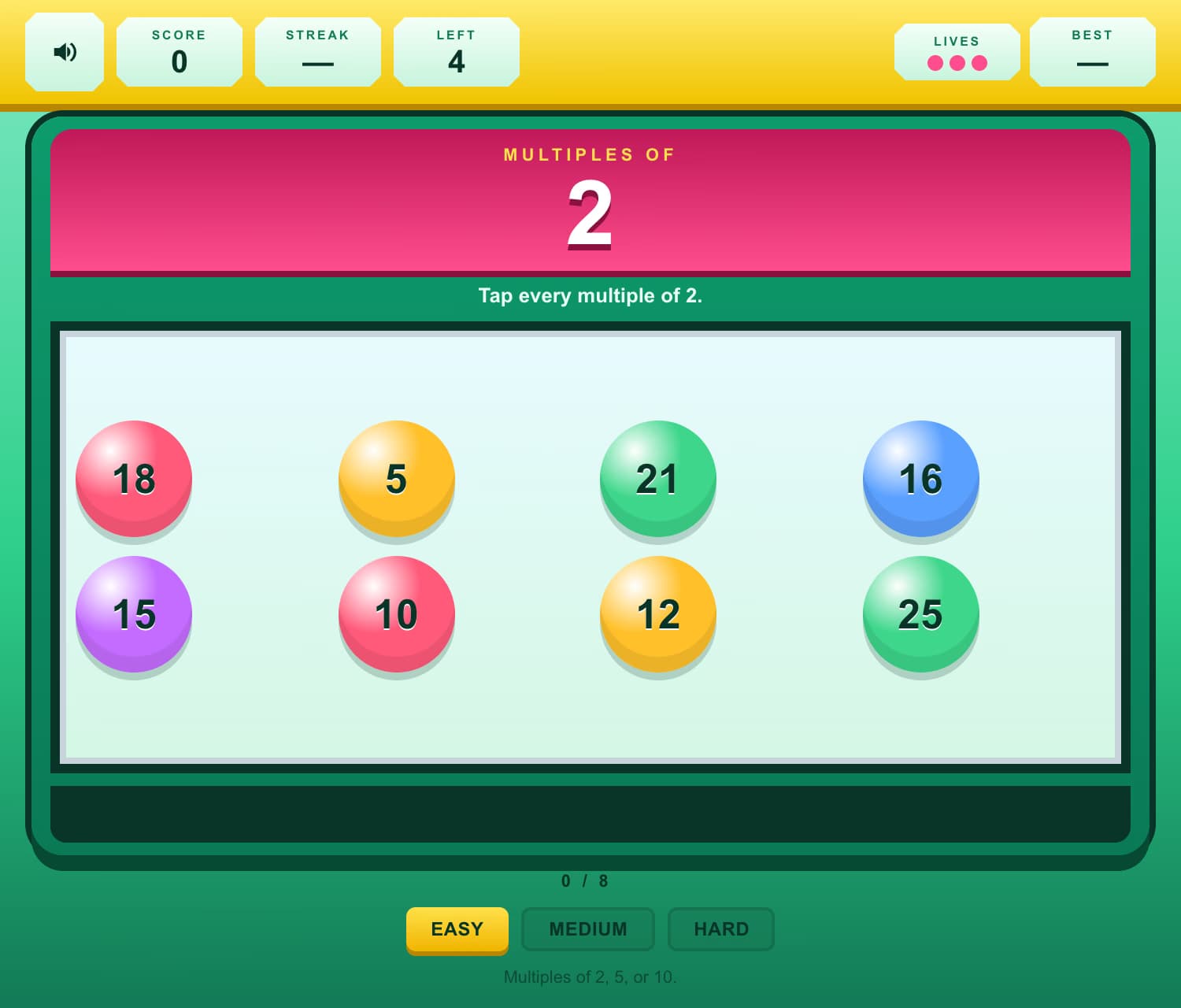
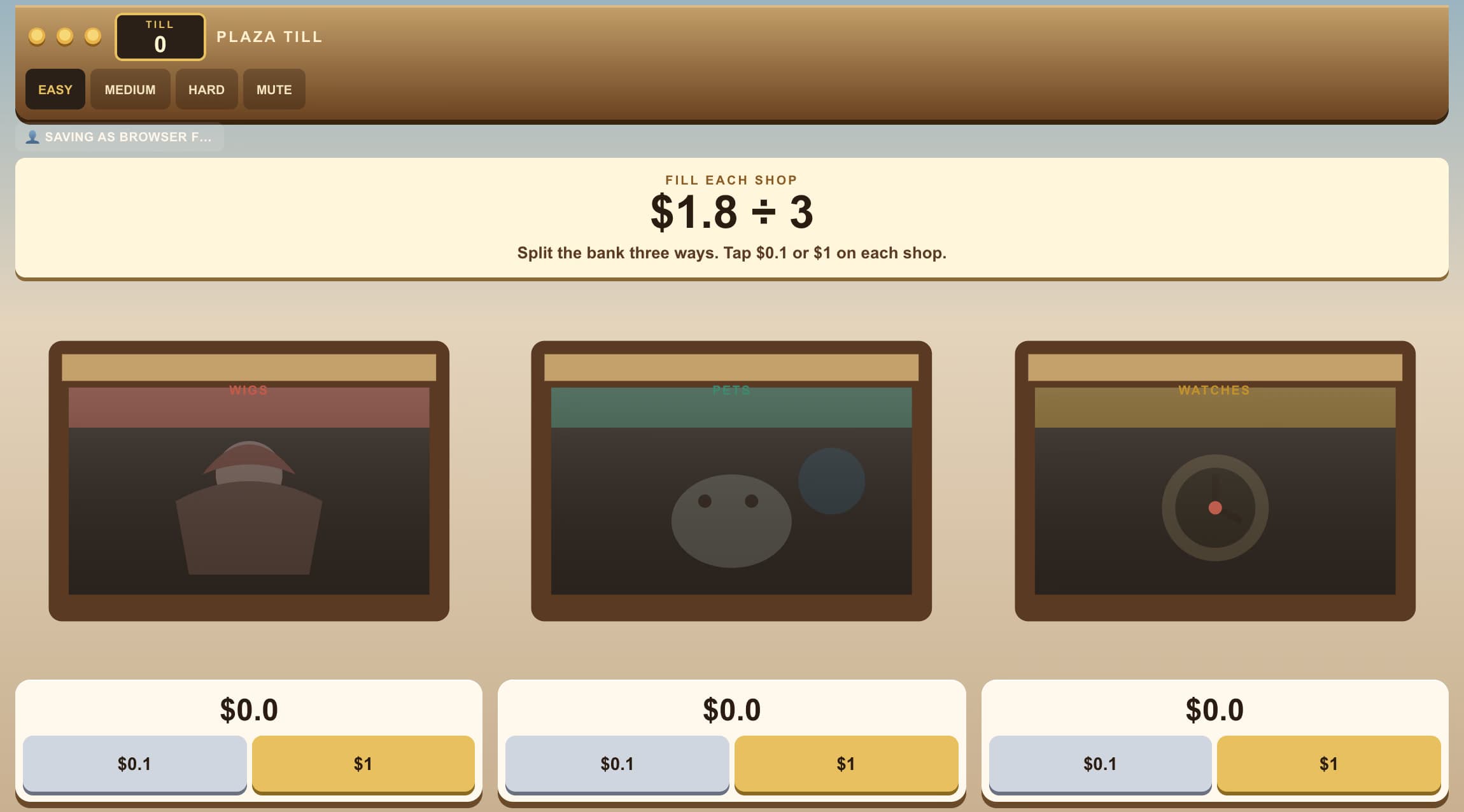
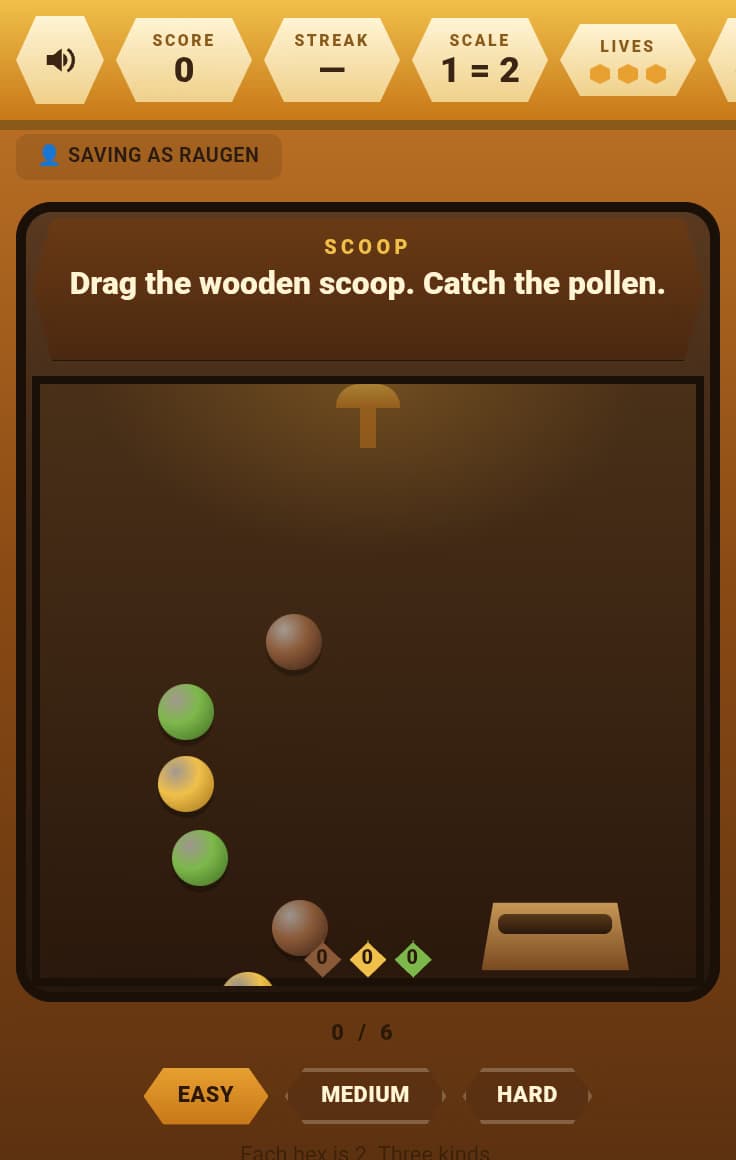
كيف تلعب شعاب نواتج القسمة
اختر الوضع والعمق
اختر بين النمط الموقوت أو نمط البقاء، ثم اختر السهل أو المتوسط أو الصعب. يتم تحديث الشعاب المرجانية بمسألة جديدة.
اقرأ اللوحة
تعرض اللوحة النحاسية مسألة أ ÷ ب = . فكر في عدد مجموعات ب التي تناسب أ.
اضغط على الناتج
اختر الفقاعة التي تحتوي على الرقم المفقود. المفاتيح 1 و 2 و 3 تختار الفقاعات من اليسار إلى اليمين.
راقب التوهج
تضيء الفقاعة الصحيحة باللون الأخضر. عند الخطأ، تومض الفقاعة لتكشف الناتج الصحيح حتى تتضح المسألة التالية بشكل أفضل.
الميزات الرئيسية
ثلاث فقاعات للإجابة
تعرض كل جولة مسألة مثل 36 ÷ 9 وثلاث فقاعات زجاجية. فقاعة واحدة فقط هي الناتج الصحيح.
خيارات تشتيت دقيقة
توضع الفقاعات الخاطئة بجوار الإجابة الصحيحة (بزيادة أو نقصان واحد، أو عامل قريب) حتى لا يتمكن الطلاب من التخمين بناءً على الحجم وحده.
ثلاثة مستويات لصعوبة الحقائق
المستوى السهل يستخدم مقسومات من 2 إلى 5. المتوسط يفتح المجال من 2 إلى 9. الصعب يمتد ليشمل حقائق حتى 12 × 12.
الغوص الموقوت أو البقاء
تسابق مع الزمن لمدة 75 ثانية، أو العب بثلاث فرص حياة. يتم حفظ أعلى النتائج على هذا الجهاز.
ما هي شعاب نواتج القسمة؟
شعاب نواتج القسمة هي لعبة حقائق قسمة لطلاب الصف الرابع. يظهر المقسوم والمقسوم عليه على لوحة (على سبيل المثال 36 ÷ 9 = ). تطفو ثلاث فقاعات في الأعلى تحتوي على نواتج محتملة. يضغط اللاعب على الفقاعة التي تكمل المسألة. خيارات التشتيت هي أرقام قريبة، لذا فإن الجولة تدرب الطالب على استرجاع حقائق الضرب المرتبطة بدلاً من العد البطيء.
لماذا تلعب شعاب نواتج القسمة؟
بناء طلاقة الحقائق
يعتمد استرجاع الناتج السريع على ما ستدرسه لاحقاً في القسمة المطولة. الجولات القصيرة تحافظ على سرعة هذا الاسترجاع.
استخدام عكس الضرب
الطلاب الذين يعرفون أن 9 × 4 = 36 يمكنهم عكسها إلى 36 ÷ 9 = 4. الفقاعات تجعل هذا العكس مجرد ضغطة زر، وليس ورقة عمل مملة.
إجابات خاطئة تعليمية
خيارات مثل 3 و 5 بجوار الرقم 4 تجبر الطالب على التركيز على الحقيقة الرياضية الدقيقة، وليس على تقدير تقريبي.
تعمل باللمس
لا حاجة للكتابة. ثلاث فقاعات كبيرة سهلة الاستخدام على الجهاز اللوحي، ويمكن اللعب بها أيضاً باستخدام الأرقام 1-3 على لوحة المفاتيح.
الأسئلة المتكررة
هل هناك باقٍ للقسمة؟
لا، كل المسائل تقبل القسمة بدون باقٍ. اللعبة مخصصة لحقائق القسمة الأساسية وليس لمسائل الباقي.
ما الذي يتغير في المستويات؟
المستوى السهل يستخدم مقسومات من 2 إلى 5 ونواتج من 2 إلى 8. المتوسط يستخدم مقسومات من 2 إلى 9. الصعب يستخدم الحقائق حتى 12 × 12.
هل يمكنني استخدام لوحة المفاتيح؟
نعم، اضغط على 1 أو 2 أو 3 لاختيار الفقاعة الموجودة في اليسار، المنتصف، أو اليمين.
ماذا لو خلطت بين 36 ÷ 9 و 36 ÷ 6؟
سيُظهر وميض الخطأ الناتج الصحيح. الجولة التالية ستطرح مسألة جديدة حتى تتمكن من محاولة استخدام القاعدة العكسية مرة أخرى.
ما هو الصف الدراسي المناسب لهذه اللعبة؟
الصف الثالث والرابع (حوالي أعمار 8-10 سنوات)، عندما يتعلم الطلاب حقائق القسمة مع مقسوم عليه من رقم واحد. المستوى الصعب مفيد للمراجعة حتى جدول 12.