Selesaikan Persamaan untuk Menandai Kad Bingo Anda
Kad bingo klasik dipenuhi dengan nombor 1–24 — tetapi bukannya mendengar nombor dipanggil, kanak-kanak menyelesaikan persamaan matematik dan mencari jawapannya pada kad mereka! Tiga tahap kesukaran membawa pemain daripada jumlah penambahan mudah sehingga penolakan bercampur dan kepada pendaraban dan pembahagian. Yang pertama melengkapkan baris, lajur atau pepenjuru memenangi BINGO!
Lagi seperti ini
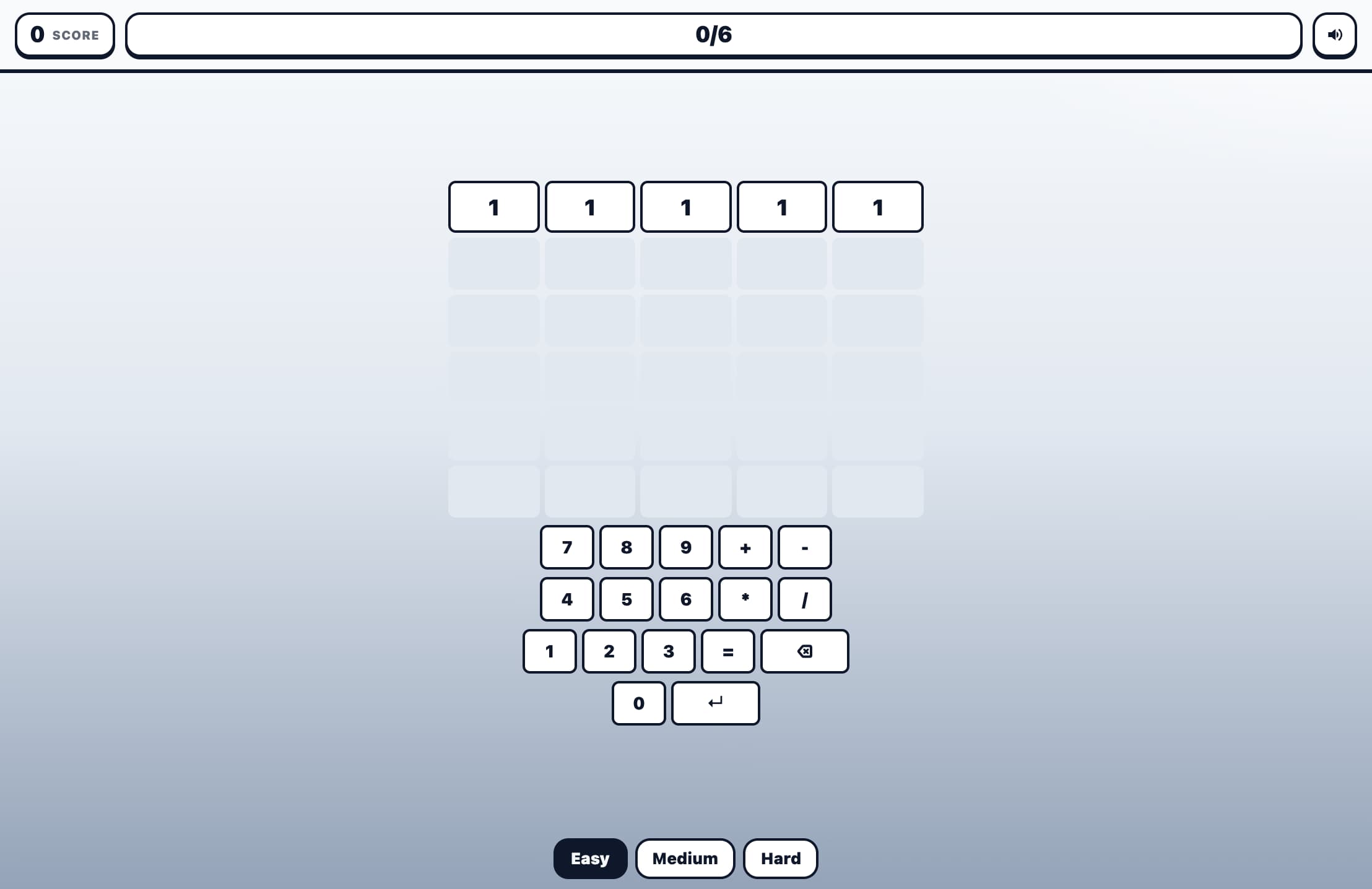
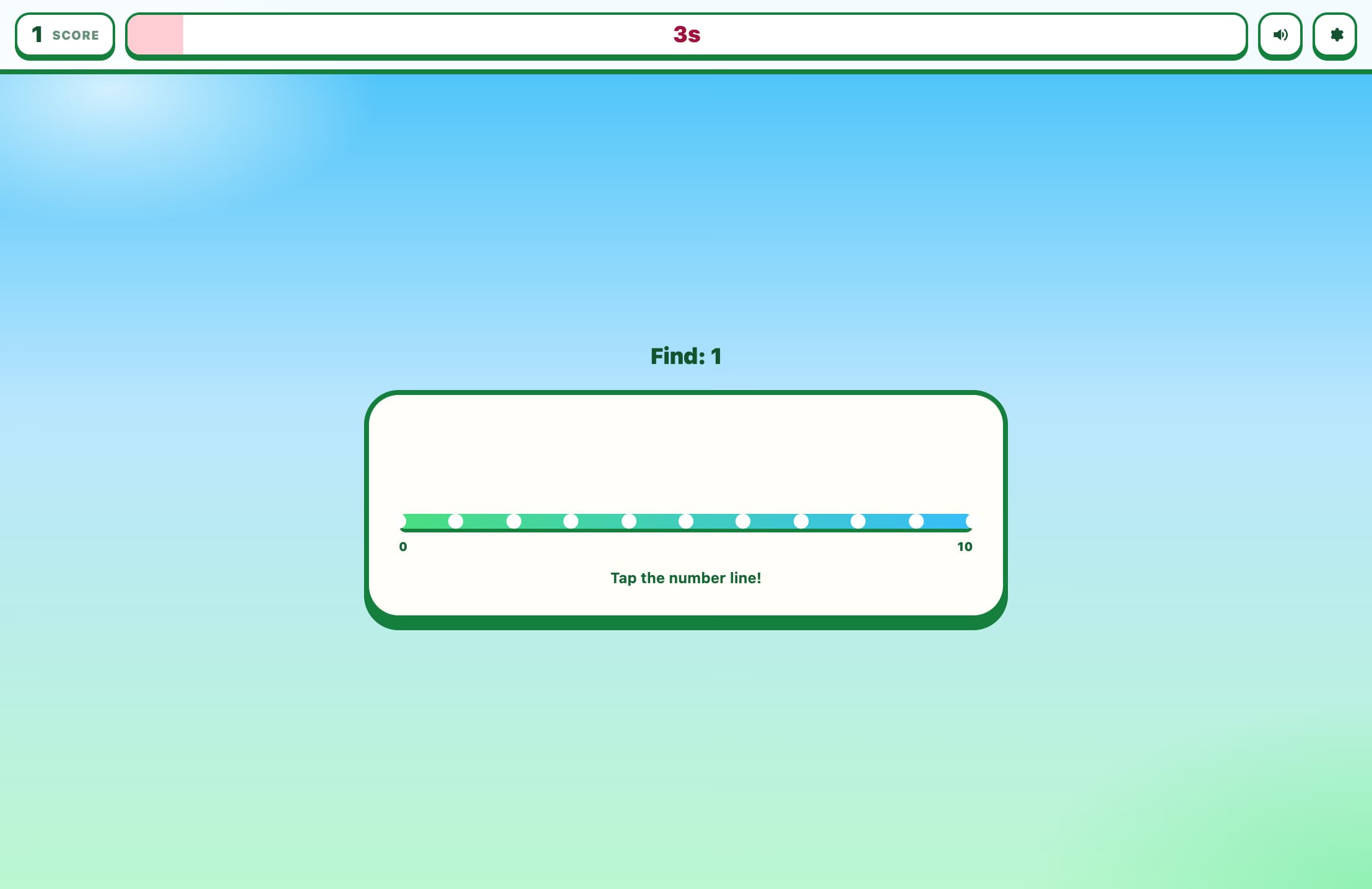
Cara guna
Pilih tahap kesukaran (Mudah untuk penambahan, Sukar untuk ×÷)
Ketik 'Dapatkan Kad Saya!' untuk menerima kad bingo yang dijana secara rawak
Baca persamaan yang dipaparkan di bahagian bawah skrin
Cari nombor jawapan pada kad bingo anda dan ketiknya untuk menandainya
Jika anda tidak pasti, ketik 'Panggilan Seterusnya →' untuk melangkau ke persamaan seterusnya
Lengkapkan baris, lajur atau pepenjuru penuh untuk memenangi BINGO!
Ciri Utama
Kad bingo 5×5 dengan nombor 1–24 dan petak tengah PERCUMA
Persamaan dipanggil — selesaikan dan cari jawapan pada kad anda
Tiga tahap kesukaran: penambahan sahaja, tambah & tolak, semua operasi
Pengesanan BINGO di semua baris, lajur dan kedua-dua pepenjuru
Butang lompat untuk melepasi persamaan yang sukar dan kembali kemudian
Bintang dianugerahkan berdasarkan berapa panggilan yang diperlukan untuk mendapatkan BINGO
Penjejak rekod peribadi — bolehkah anda kalahkan rekod anda?
Apa Itu Bingo Matematik?
Bingo Matematik ialah kelainan bingo klasik di mana pemain menyelesaikan persamaan matematik ringkas dan mencari jawapan pada kad bingo 5×5 mereka, bukannya mendengar nombor dipanggil. Ketik nombor yang betul untuk menanda, kemudian berlumba untuk melengkapkan baris, lajur atau pepenjuru penuh untuk memenangi BINGO! Setiap kad dijana secara rawak, dan setiap permainan ialah cabaran baharu.
Mengapa Bermain Bingo Matematik?
Membuat Latihan Matematik Terasa Seperti Permainan
Kanak-kanak menyelesaikan persamaan di bawah keseronokan bingo — keinginan untuk melengkapkan satu garisan menjadikan matematik mental sebagai matlamat yang memotivasikan berbanding tugas yang membosankan.
Membina Kefasihan Persamaan
Persamaan pantas merentasi tahap kesukaran — daripada penambahan mudah sehingga pendaraban dan pembahagian — membina kefasihan yang datang daripada latihan berulang kali dan tekanan rendah.
Melatih Kemahiran Mencari Nombor
Mengimbas grid 5×5 untuk nombor tertentu melatih carian visual dan pengenalan nombor secara serentak, mengukuhkan keakraban dengan nombor 1–24.
Tiga Tahap Kerumitan Persamaan
Mudah memperkenalkan penambahan sahaja. Sederhana mencampurkan penolakan. Sukar menambah pendaraban dan pembahagian — jadi permainan berkembang seiring dengan pertumbuhan kemahiran pemain.
Soalan Lazim
Nombor apa yang muncul pada kad bingo?
Setiap kad mengandungi nombor 1 hingga 24, yang disusun secara rawak dalam grid 5×5. Petak tengah ialah petak PERCUMA yang ditanda siap pada permulaan setiap permainan.
Apa yang berlaku jika saya mengetik nombor yang salah?
Sel yang salah akan berkelip merah seketika untuk memberitahu anda — tetapi tiada apa yang ditandai secara kekal. Persamaan yang sama kekal pada skrin supaya anda boleh cuba lagi atau tekan 'Panggilan Seterusnya →' untuk melangkau.
Apa yang dilakukan oleh butang 'Panggilan Seterusnya →'?
Ia melangkau persamaan semasa dan beralih ke persamaan seterusnya. Nombor yang dilangkau kekal tidak ditanda pada kad anda — jadi pilihlah dengan bijak! Melangkau menambah jumlah kiraan panggilan anda, yang menjejaskan penilaian bintang anda.
Bagaimana bintang dianugerahkan?
Bintang bergantung pada berapa banyak jumlah panggilan (ketikan betul + lompatan) yang diperlukan untuk mendapatkan BINGO. Lebih sedikit panggilan = lebih banyak bintang. Mendapatkan BINGO dalam 7 panggilan atau kurang memberikan 3 bintang — cabaran sebenar!
Persamaan apa yang muncul dalam mod Sukar?
Mod Sukar mencampurkan pendaraban (cth., 3 × 8), pembahagian (cth., 24 ÷ 4), dan penolakan bersama penambahan. Semua operasi menghasilkan jawapan antara 1 dan 24 yang sepadan dengan nombor pada kad anda.
Adakah kad itu sama setiap permainan?
Tidak — setiap permainan menjana kad bingo baharu yang disusun secara rawak, jadi tiada dua permainan yang serupa. Persamaan juga dijana segar untuk sepadan dengan nombor pada kad spesifik anda.