Losowy Wybierak Przebrania Halloweenowego
Zakręć kołem, aby losowo wylosować jedno z 16 kultowych kostiumów na Halloween! Odkryj mroczne pochodzenie każdego stroju, kategorię i fascynujący kawałek historii Halloween – od zaskakującego wynalazku zielonoskórej wiedźmy z 1939 roku po prawdziwą historię piratów, ninja i przerażającej epidemii klaunów z 2016 roku.
Więcej takich gier





Jak używać
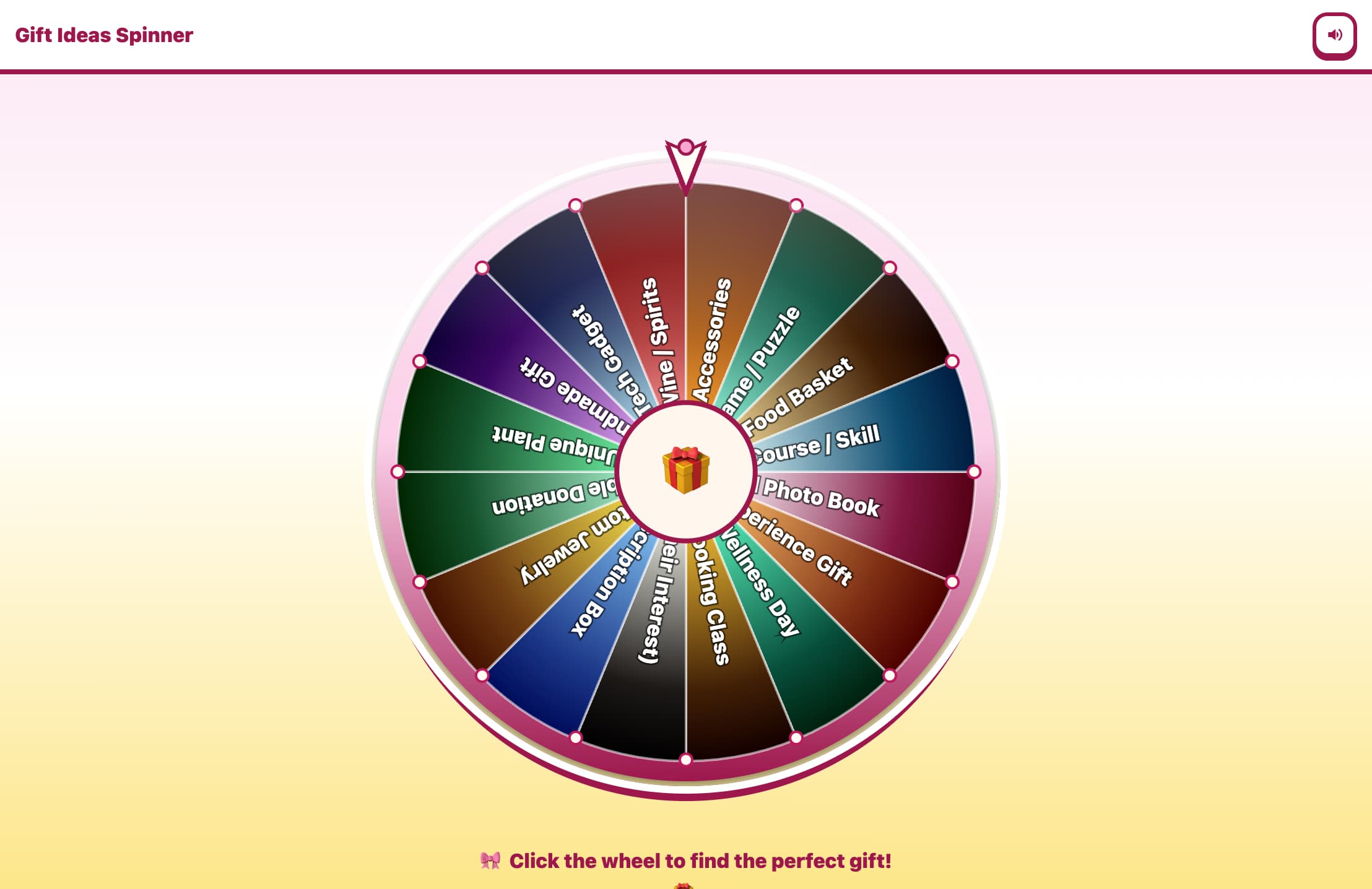
Kliknij lub dotknij koła fortuny, aby je uruchomić. Gdy się zatrzyma, odkryjesz losowo wybrany kostium na Halloween – wraz z jego kategorią, pochodzeniem geograficznym i historycznym oraz zaskakującym faktem o prawdziwej historii kostiumu.
Kluczowe Funkcje
16 kultowych kostiumów na Halloween od Klasycznych Potworów po Popkulturę
8 odrębnych kategorii: Klasyczne, Klasyczne Potwory, Nowoczesny Horror, Przygoda, Popkultura, Fantasy, Straszne, Sci-Fi
Historyczne pochodzenie każdego kostiumu
Fascynujące i zaskakujące fakty kryjące się za każdym wyglądem
Od starożytnego Egiptu po kulturę internetową XXI wieku
Mroczne koło fortuny z motywem nocy halloweenowej i poświatą dyni
Co to jest?
Koło Fortuny z Kostiumami na Halloween wybiera losowy kostium spośród 16 kultowych wizerunków halloweenowych. Od Klasycznych potworów (Wiedźma, Duch, Szkielet) i Klasycznych Potworów z Filmów (Wampir, Wilkołak, Potwór Frankensteina, Mumia) po Nowoczesny Horror (Zombie, Klaun), Przygodę (Pirat, Ninja), Popkulturę (Superbohater), Fantasy (Księżniczka), Straszne (Diabeł) i Sci-Fi (Obcy, Czarny Kot). Każdy kostium zawiera swoją prawdziwą historię pochodzenia.
Dlaczego warto?
Niezależnie od tego, czy nie masz pomysłu, w co się przebrać na tegoroczne Halloween, prowadzisz konkurs kostiumowy, czy po prostu fascynuje Cię historia stojąca za upiornymi tradycjami, to koło fortuny dostarcza niespodzianek. Czy wiesz, że zielonoskóre wiedźmy nie istniały przed 1939 rokiem? Albo że prawdziwi ninja nigdy nie nosili czarnego? Że sztuczka z bandażami mumii została wymyślona przez Hollywood, a nie egiptologów? Albo że atrakcja Disneylandu Piraci z Karaibów pierwotnie wykorzystywała prawdziwe ludzkie szkielety?
Często Zadawane Pytania
Jaki jest najpopularniejszy kostium na Halloween wszech czasów?
Wiedźma jest konsekwentnie wymieniana jako najpopularniejszy kostium halloweenowy dla dorosłych w USA, podczas gdy kostiumy Spider-Mana i księżniczek walczą o pierwsze miejsce wśród dzieci. Elsa z Krainy Lodu przez bezprecedensowe 4 kolejne lata (2014–2017) zajmowała pierwsze miejsce w kategorii kostiumów dziecięcych. National Retail Federation śledzi te rankingi corocznie.
Skąd wzięło się Halloween?
Halloween wyewoluowało z Samhain, celtyckiego święta zbiorów oznaczającego koniec lata, obchodzonego 31 października na obszarach dzisiejszej Irlandii, Szkocji i Walii. Celtowie wierzyli, że tej nocy zaciera się granica między żywymi a zmarłymi. Kiedy Imperium Rzymskie podbiło tereny celtyckie, połączyli Samhain z rzymskimi festiwalami. Irlandzcy i szkoccy imigranci przywieźli tradycje halloweenowe do Ameryki Północnej w XIX wieku.
Dlaczego wiedźmy są zielone?
Nie były – aż do 1939 roku. Zielonoskóra wiedźma została całkowicie wymyślona na potrzeby filmu "Czarnoksiężnik z Oz", gdzie twarz aktorki Margaret Hamilton pomalowano na zielono przy użyciu makijażu scenicznego na bazie miedzi. Przed tym wiedźmy w sztuce, literaturze i folklorze były przedstawiane z normalnym kolorem skóry. Wizerunek z Oz był tak ikoniczny, że na stałe zmienił sposób, w jaki zachodni świat wizualizuje wiedźmy.
Czy wampiry były prawdziwymi postaciami historycznymi?
Historycznie istniały „paniki” związane z wampirami. W XVIII-wiecznych społecznościach Europy Wschodniej ludzie szczerze wierzyli w wampiry i wykopywali świeże groby, szukając oznak „nieumarłości” (wzdęcia i krew wokół ust – naturalne procesy rozkładu, których wówczas nie rozumiano). Władze wbijali kołki i palili ekshumowane zwłoki. Drakula Brama Stokera (1897), częściowo inspirowany Władem III Palownikiem, znanym z wbijania wrogów na pal, czerpał z wieków tego folkloru.
Co to jest koulourofobia?
Koulourofobia to kliniczne określenie na intensywny lęk przed klaunami, który według szacunków dotyka około 7,8% dorosłych. Badania sugerują, że lęk ten ma swoje korzenie w efekcie „niesamowitej doliny” – makijaż klauna wyolbrzymia ludzkie cechy do stopnia, który wywołuje niepokój, a nie rozpoznanie. Seryjny morderca John Wayne Gacy (1978) i fikcyjny Pennywise z filmu IT (1990, 2017) znacząco nasiliły to kulturowe powiązanie między klaunami a niebezpieczeństwem.
Jaka jest historia psot czy cukierków (trick-or-treating)?
Psot czy cukierków w obecnej formie rozwinęło się w Ameryce Północnej w latach 20.–30. XX wieku, czerpiąc z wielu tradycji: średniowiecznej europejskiej praktyki „souling” (chodzenie od drzwi do drzwi po ciastka dla dusz w zamian za modlitwy za zmarłych), szkockiego „guisingu” (przebieranie się i występowanie za smakołyki) oraz irlandzkich tradycji Samhain. Firmy produkujące słodycze agresywnie promowały psot czy cukierków w latach 50., przekształcając ją z tradycji sąsiedzkiej w narodową instytucję.